Our vision: the people of PNG and their places are respected, valued, protected and enhanced — their resources, habitats, communities and cultures alike.
Tree kangaroos are our flagship — a way to protect the entire Torricelli Mountain Range and everyone who depends on it. Here is how the whole strategy fits together.
Our vision: the people of PNG and their places are respected, valued, protected and enhanced — their resources, habitats, communities and cultures alike.

The Tenkile and Weimang are critically endangered through hunting and tiny ranges. Hunting moratoriums — Tenkile since 1999, Weimang since 2007, Grizzled since 2009 — mean no tree kangaroo has been hunted in over a decade, and Tenkile numbers have climbed from around 100 to more than 300. Camera traps, distance sampling across 14 research sites, and captive animals at TCA Base-Lumi all track the recovery.
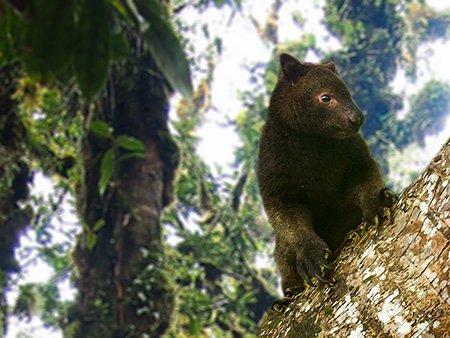
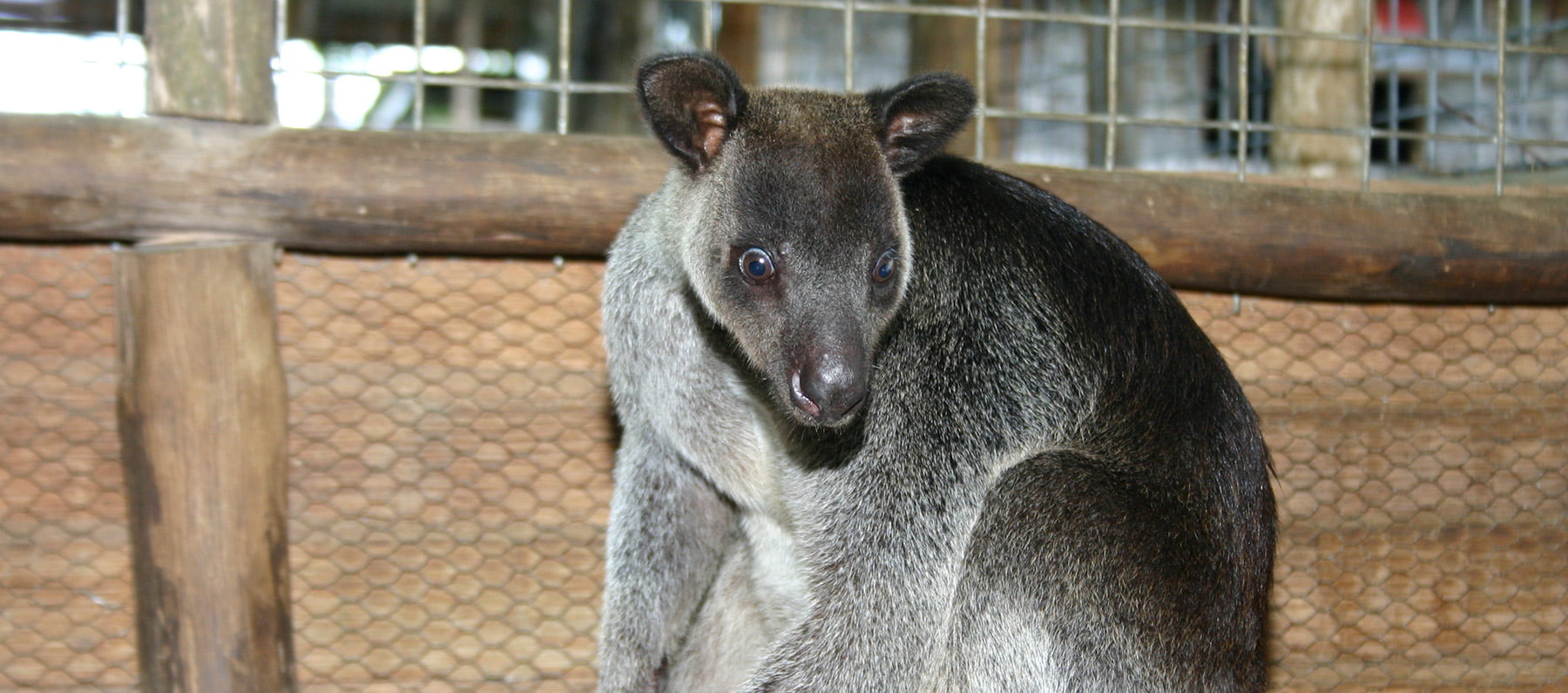
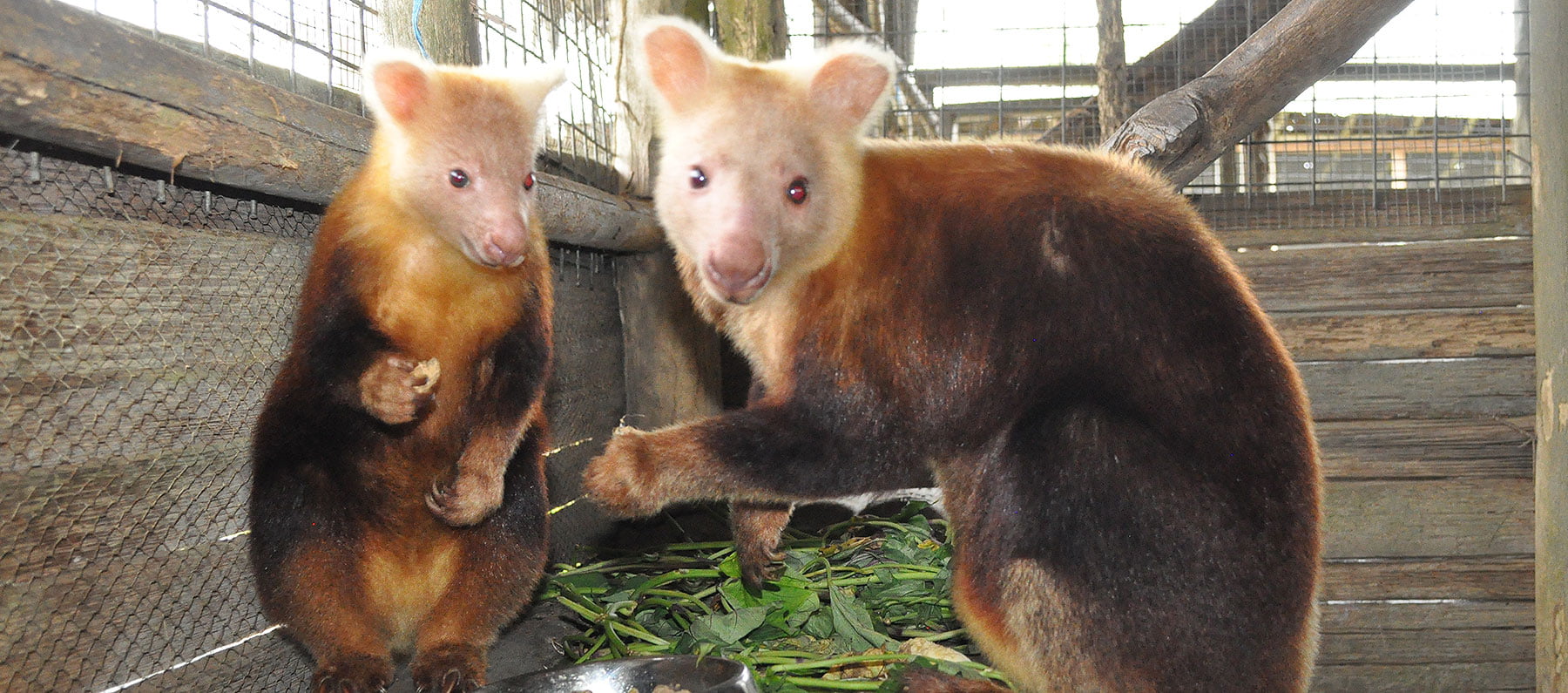
TCA establishes and re-signs hunting moratoriums roughly every two years — written, signed commitments that protect every critically endangered species in the range. They cover three tree kangaroo flagships, the Tenkile and Weimang (both Critically Endangered) and the Grizzled (Vulnerable), as well as the Northern Glider and Black-spotted Cuscus. The first Tenkile moratorium began in 1999, the Weimang in 2007, and the Grizzled was added in 2009. No tree kangaroo has been hunted in over a decade, and populations are climbing — confirmed by staff and stakeholder accounts, camera-trap images and distance sampling. The key is constant on-the-ground dialogue with male and female representatives from all 50 moratorium villages.
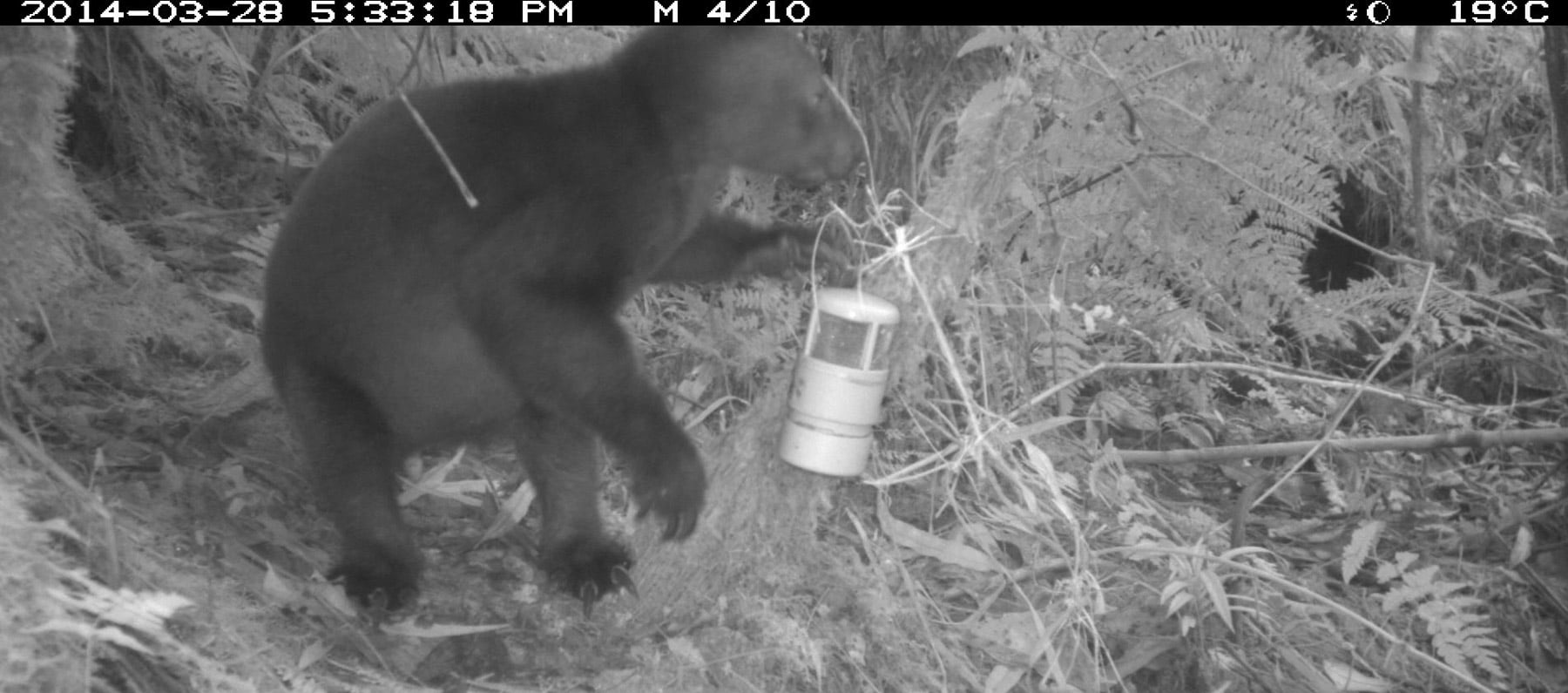
TCA uses Point Transect Distance Sampling to estimate density. The Tenkile’s range is about 150 km² on the west of the Torricellis; the Weimang’s about 350 km². Seven Tenkile research sites were set up in 2003 and seven Weimang sites in 2008–9, each chosen by landowners and often placed on ancestral ridge tops. Hunting surveys followed in 2012–13. Camera traps have run since 2011 — TCA now owns 50 Reconyx units, thanks partly to a Deakin University partnership — and have captured all three tree kangaroos, including young in the pouch and even courtship.
TCA has kept tree kangaroos at Lumi since 2004, currently seven Grizzled and three Weimang across eight enclosures, mostly captive-bred. They support education and research (such as scat decay and defecation rates used in distance sampling), and radio-tracking is now being trialled on these individuals.

The moratorium grew into protection for everything that lives here. In designated “no-go” zones — echoing the cultural practice of ples masalai, respecting spiritual and ancestral places — people agreed to hunt nothing at all. Species once thought locally extinct, like the Victoria’s Crowned Pigeon and several frogs, have returned.
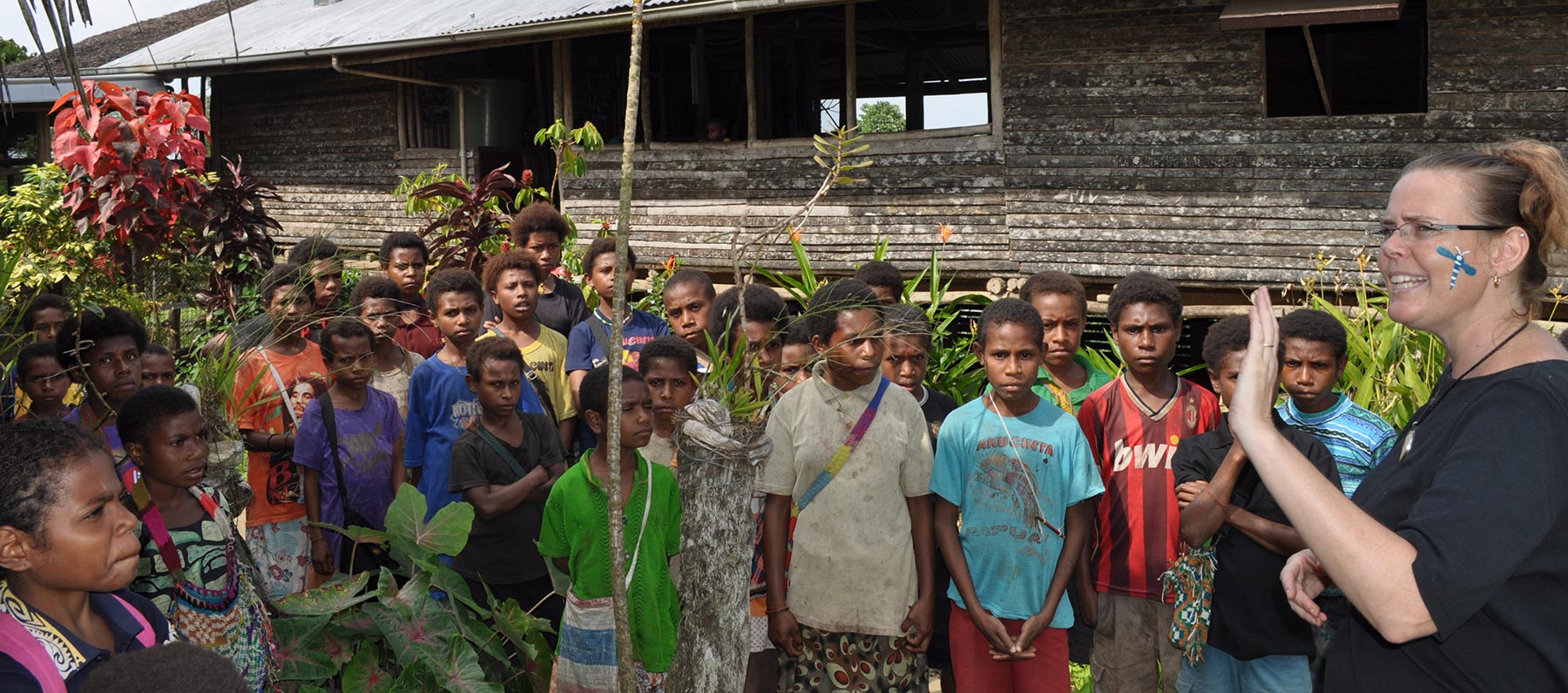
COO Jean Thomas built TCA’s education programs — a school program, a drama program (run village to village from 2003–2011) and a puppet show — to raise awareness of the Tenkile, Weimang and all the range’s biodiversity. Songs from the drama program fed into TCA’s radio program and the Into the Jungle documentary. CEO Jim Thomas delivered rainforest, biodiversity, distance-sampling, camera-trap and carbon training as peer education, so village representatives could pass scientific knowledge on within their own communities.
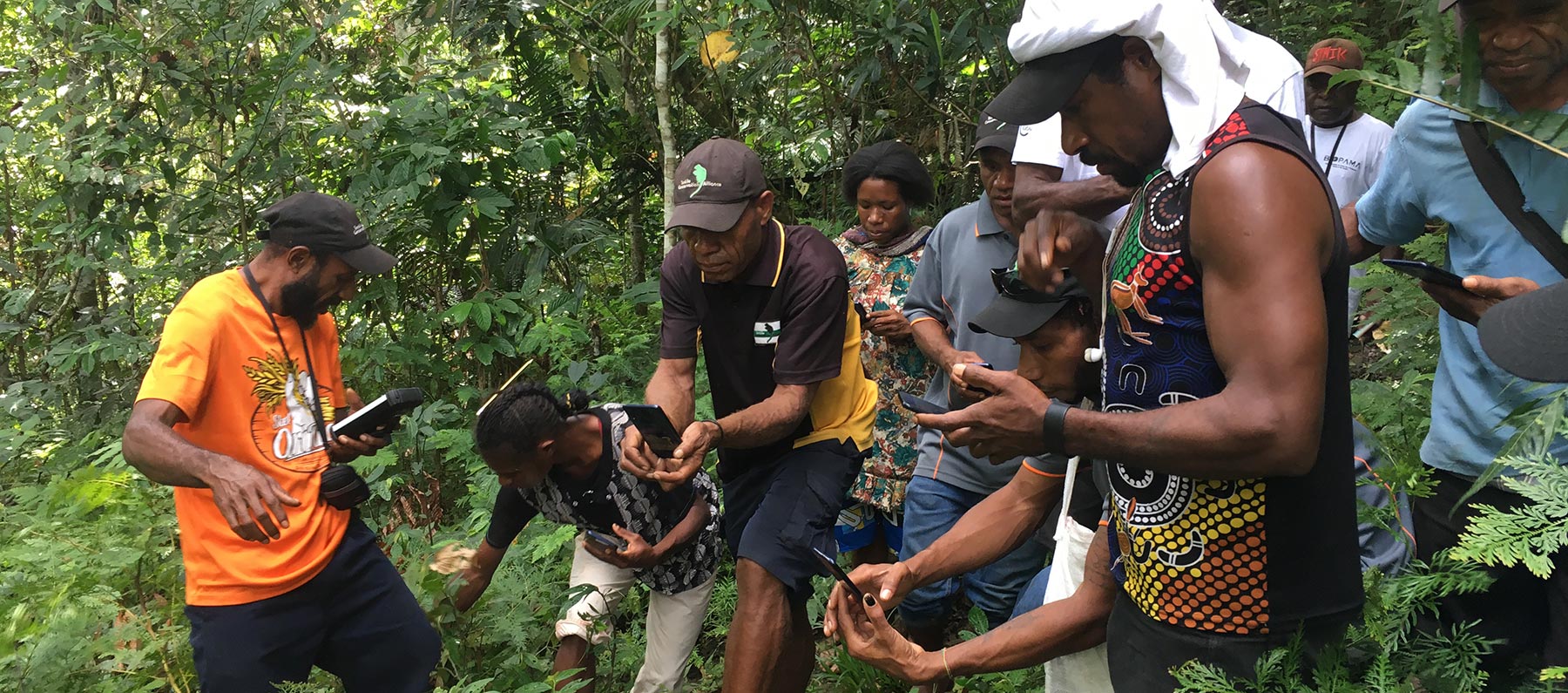
Camera traps (50 Reconyx units, since 2011) have recorded rats, birds, lizards, frogs, bats and all three tree kangaroos — plus at least three potentially new mammal species. Research Officers and Rangers log biodiversity on the Cybertracker app during patrols; the data flows into SMART (Spatial Monitoring And Reporting Tool), geo-referencing every record into a growing database, while the Lukim Gather app captures community attitudes. A partnership with the University of Canberra added an orchid survey.
Jean Thomas wrote a teacher-training manual of four units mapped to the PNG science and social-science curriculum, and trained over 30 teachers from 16 schools (2005–2007). Since 2010, a school-fee competition — initiated with Patron Tim Flannery — keeps children in school up to year 8: year-7 students write on an environmental topic, and sponsors choose a male and female winner whose fees are paid and whose school receives materials.

The final safeguard is legal: gazetting the Torricelli Mountain Range as a protected Conservation Area. In PNG that rules out large-scale logging and mining, and means any future development must be approved by the landowners and the Conservation Environment Protection Authority (CEPA).
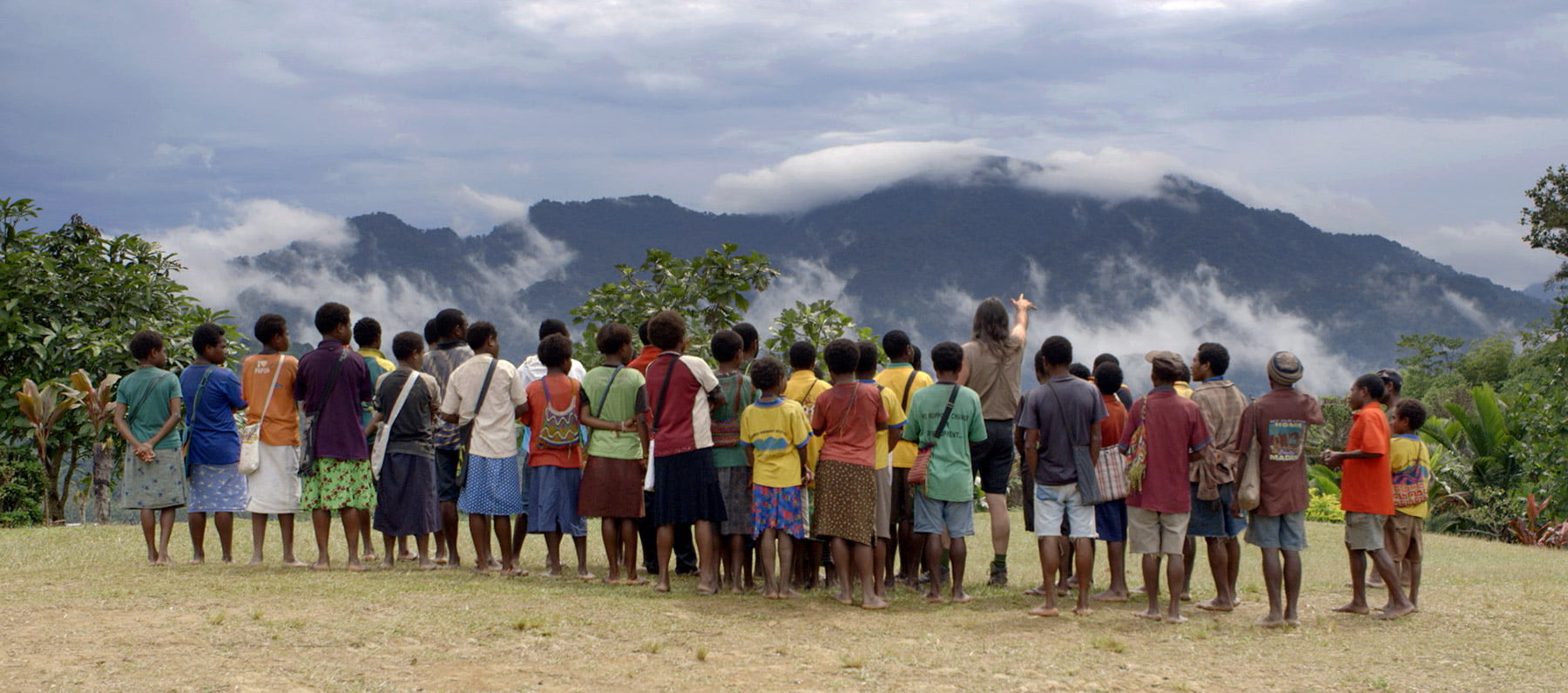
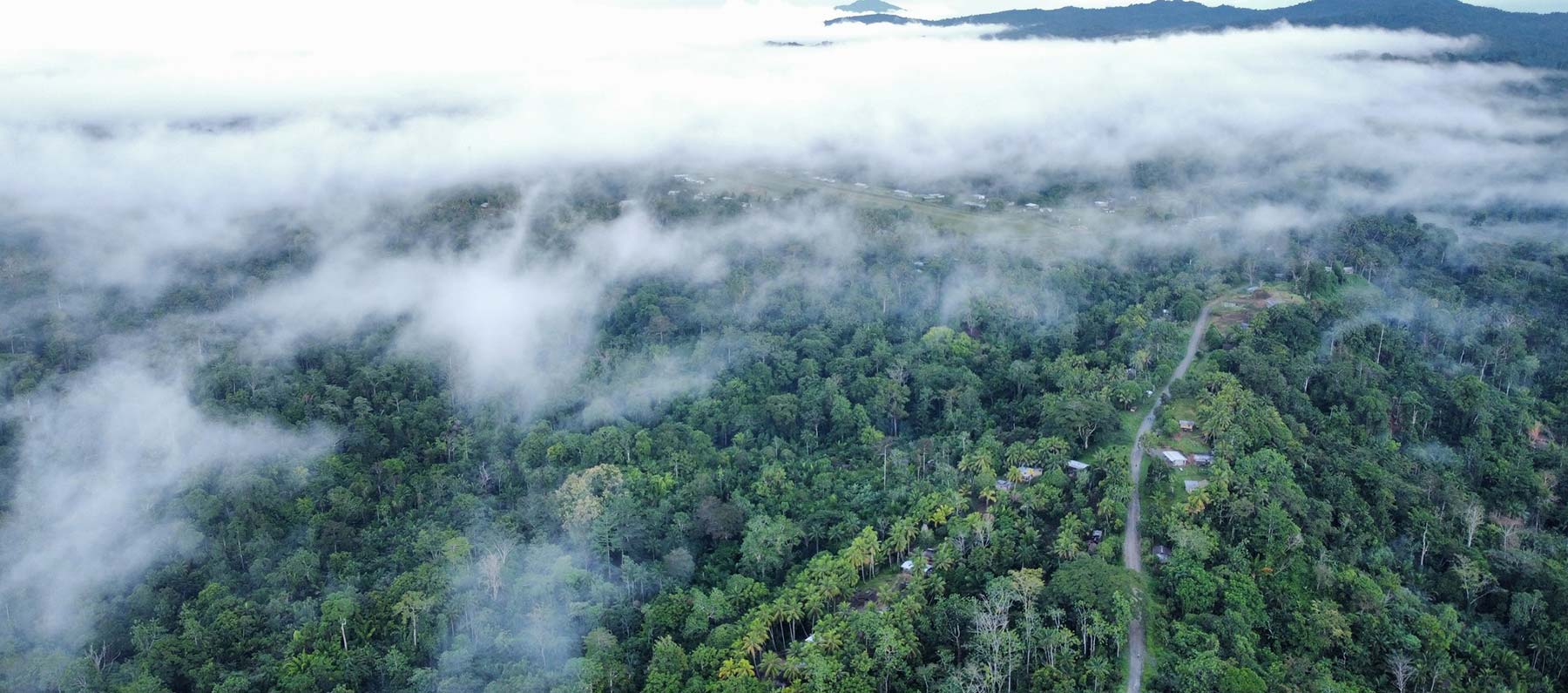
The goal is to gazette the Torricelli Mountain Range as a legally protected Conservation Area, shielding it from large-scale logging and mining and from local over-hunting. The approach is bottom-up: resource owners agree to the area, write their own rules and penalties, and designate hunting and non-hunting zones. Every village has a Conservation Area Management Committee trained in natural-resource management. Landowners from all 50 villages mapped their resources in workshops, then TCA staff walked the boundaries by GPS — work that is still incomplete, especially in the Weimang villages. Once gazetted, it will be the first protected area for Sandaun Province.
The Conservation Area proposal was submitted to the PNG government in June 2019, and is currently proposed at over 185,000 hectares. TCA works closely with the PNG government and partners on protected-area policy and sustainability, continually maximising boundaries and bringing in new villages.
TCA helped CEPA develop “Lukim Gather,” a protected-area monitoring tool based on the UNDP’s METT framework and analysed via the KoBo toolbox, used on smartphones to interview community representatives. Alongside it, Research Officers use Cybertracker and SMART to record any breaches of the Conservation Area rules, geo-referenced to inform the management committees.

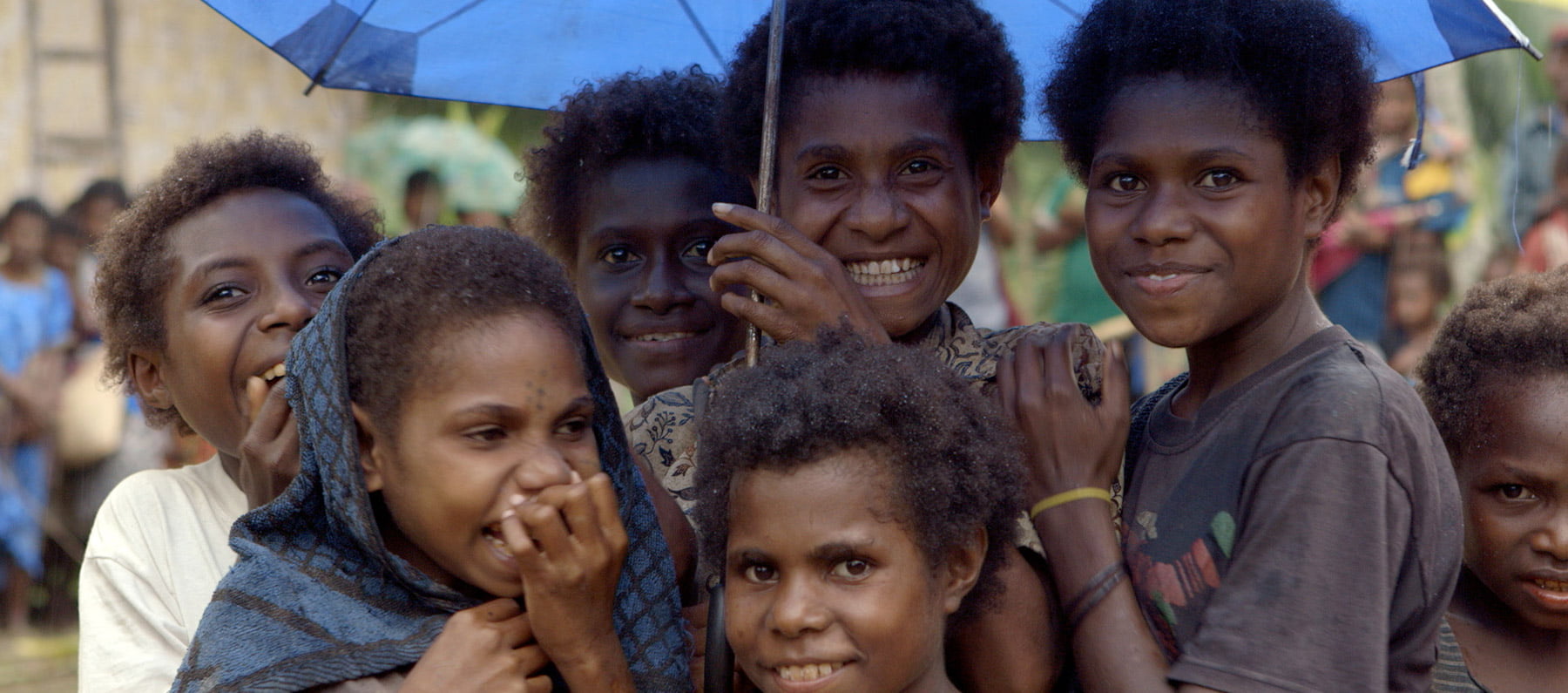
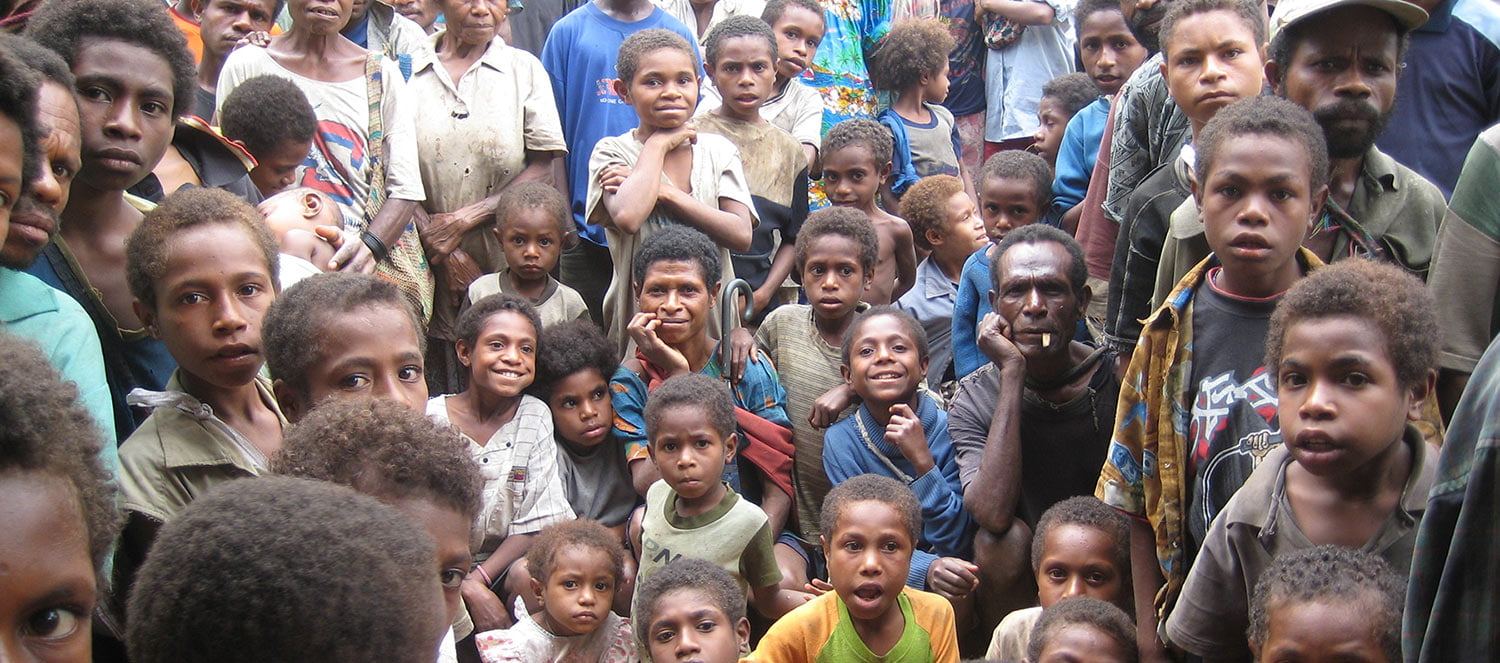
TCA works with 50 villages and 13,000+ people who own the land the tree kangaroos live on. Sustainable development — water, sanitation, hygiene, health, education and alternative protein — relieves poverty and hunger, so protecting wildlife and improving lives move together.
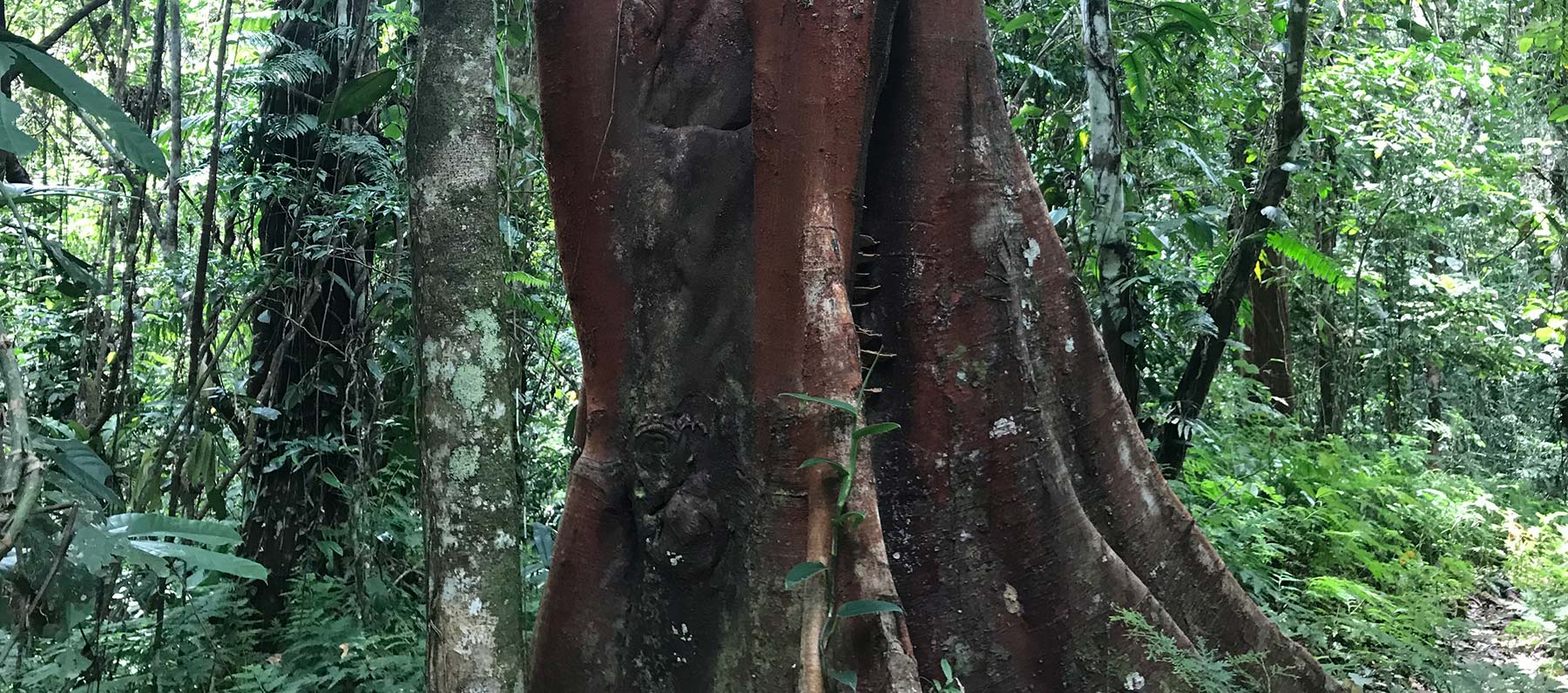
Since 2004 TCA has built alternative protein sources so families need not hunt wildlife. Rabbit farming was chosen in 2003 as a “mammal for a mammal” — rabbits breed readily on locally grown food and carry no cultural taboos; Vincent Kelele of Wigote village has bred over 500 and now runs it as his own business. Fish farming is anchored by two breeding facilities at Base-Lumi that supply fingerlings to every village. Chicken farming ran 2005–2012 but was limited by the difficulty of transporting stockfeed.
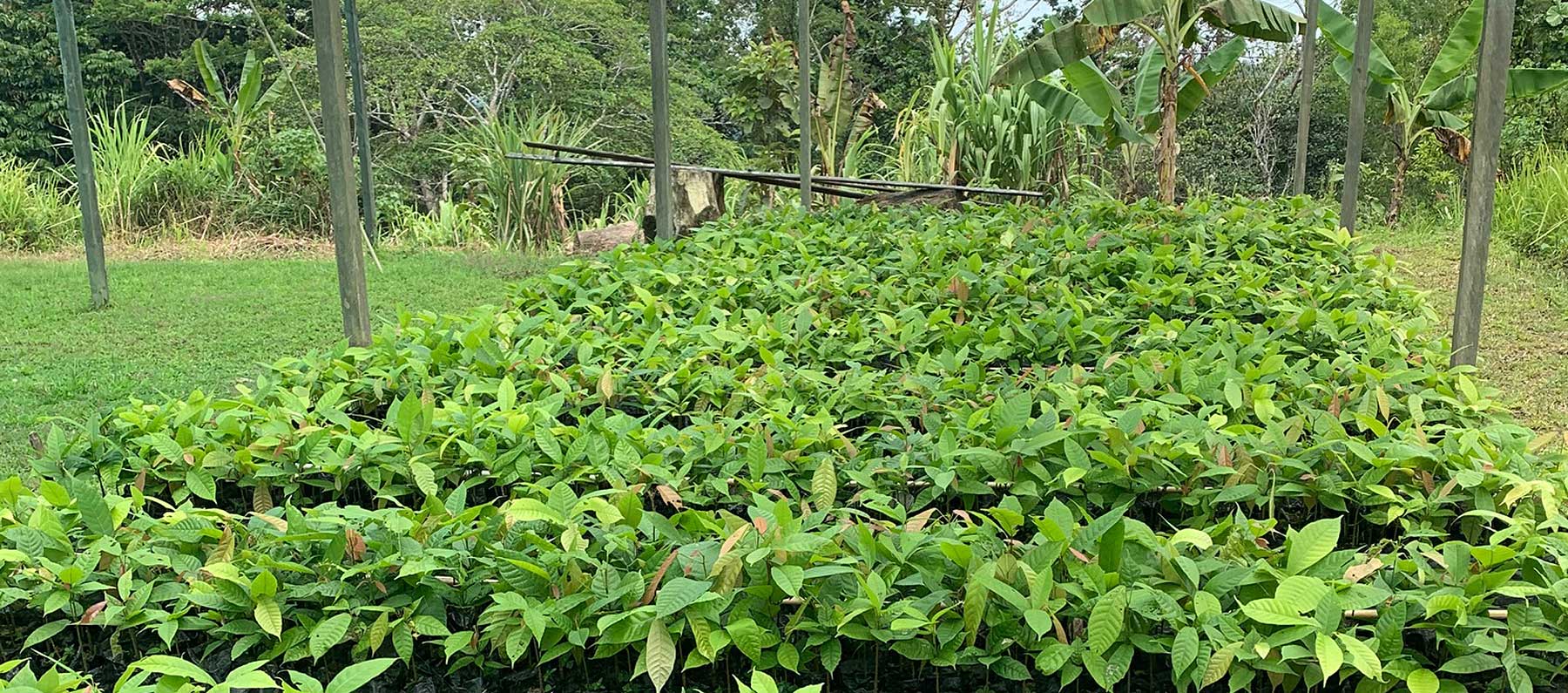
Market-gardening workshops and seed distribution improved nutrition, while rice growing, harvesting and milling (machines provided) offers a replacement for dwindling sago. Cash crops include vanilla (the most popular since the late 1990s), cocoa (a mainstay hit by the cocoa pod borer since 2010) and high-value eaglewood.
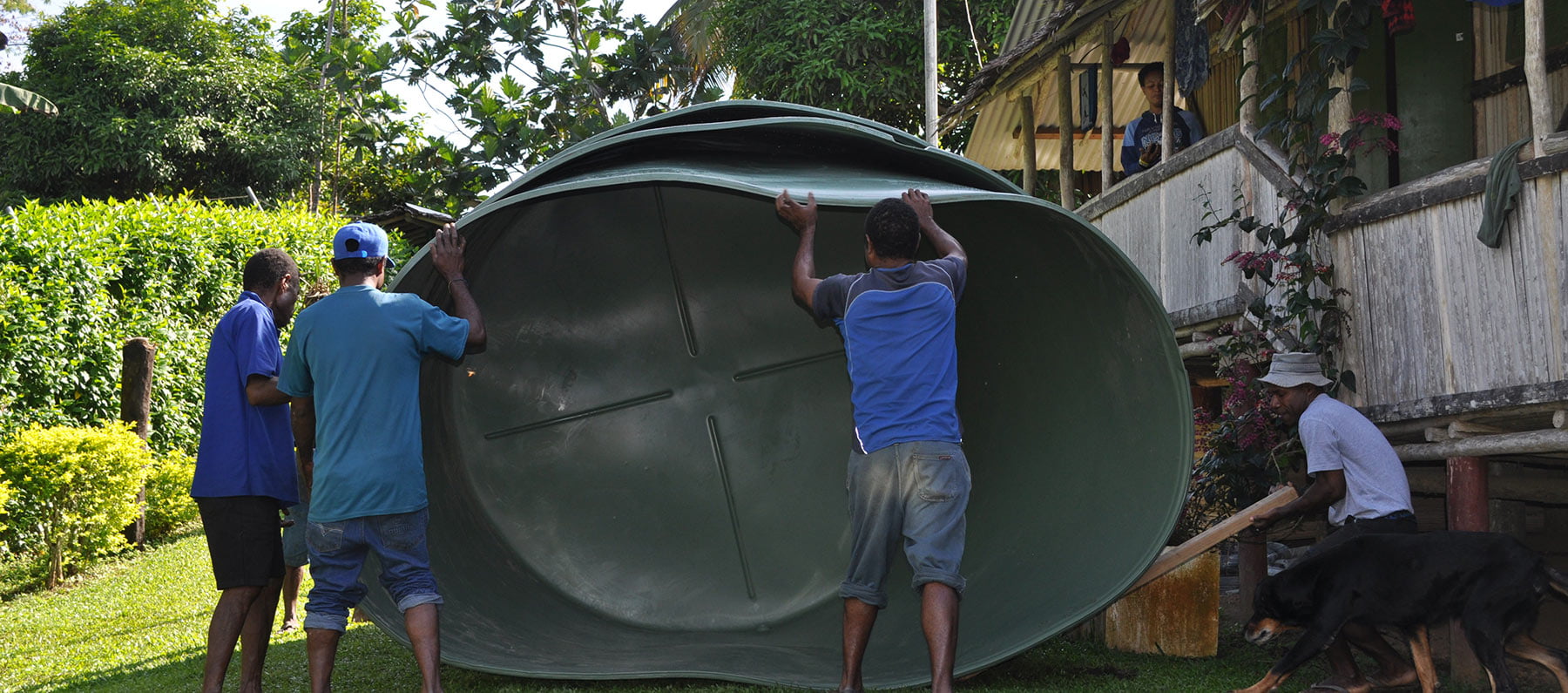
With WaterAid, TCA has installed 370 of around 720 planned 1,000-gallon water tanks, and delivered over 2,600 upgraded VIP toilets — one per household, a first for remote PNG. Tin roofing for 800 of 2,700 houses lets homes last 20+ years instead of 5–10, saving roughly 135,000 trees and expanding water catchment.
Underpinning all of it: project management, money management, WASH, governance, conflict-resolution, anger-management and leadership training — with gender equity and equal representation built into every committee and meeting.

TCA believes the loss of cultural identity sits at the root of environmental destruction. As religion, economics and technology pull people away from nature, TCA works to reconnect communities with the traditional practices that already align with sustainable resource management and biodiversity protection.
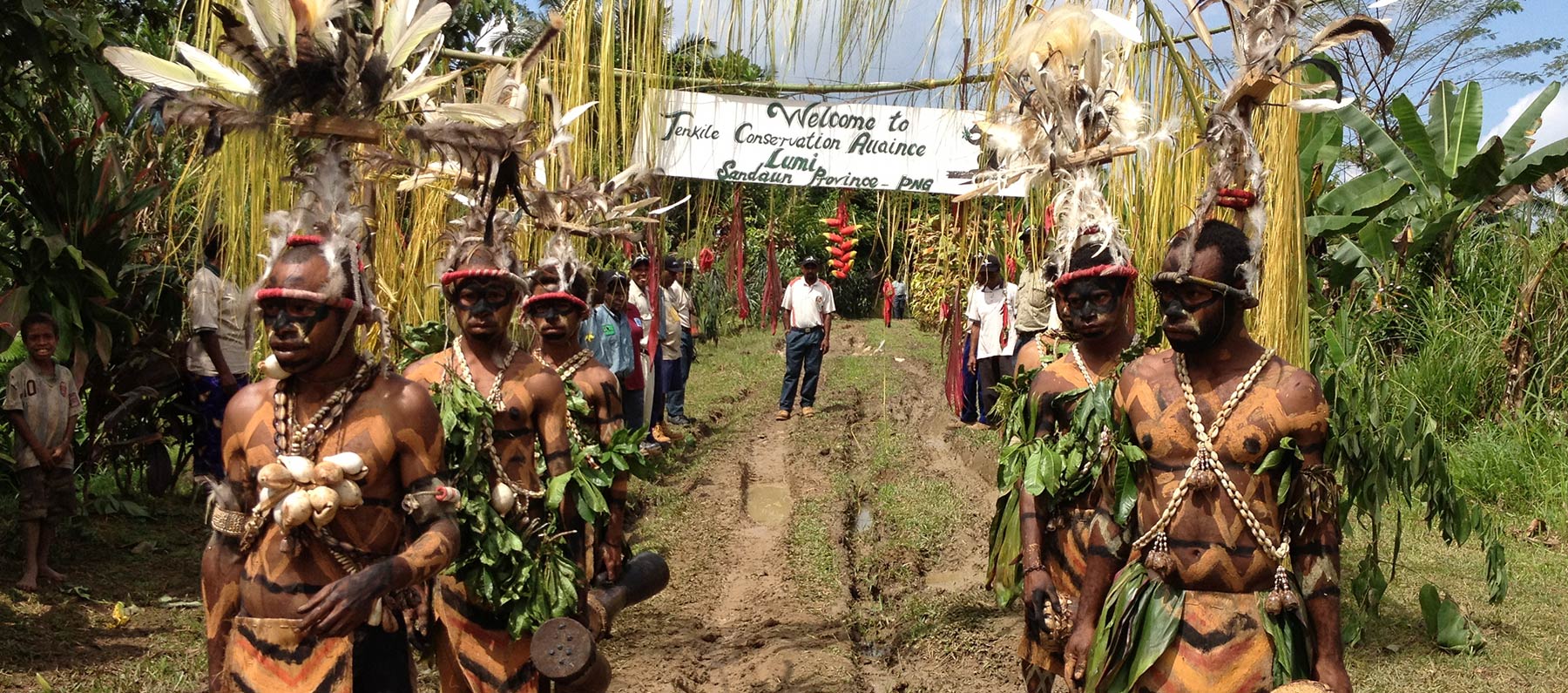
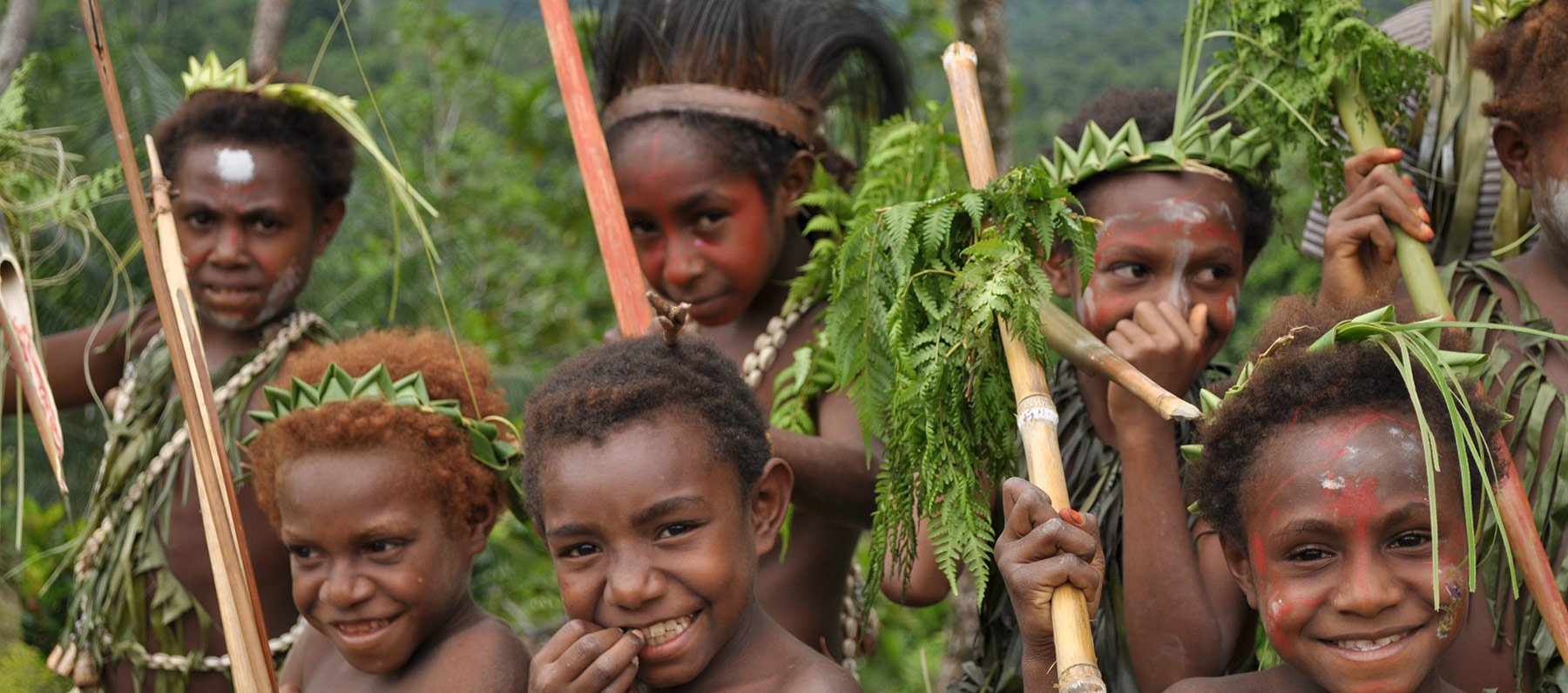
TCA treats the loss of cultural identity as the root of environmental decline, and works to reconnect communities with traditions that already align with sustainable resource management. That includes singsing groups woven into education programs and events, a Tok Pisin radio program featuring animal characters and songs composed by local people, support for elementary schools producing tok ples (local-language) books, leadership training, conflict-resolution training for land mediators, gender-equity practices throughout, and sales of locally made bilums, grass skirts and carvings at fundraising events.
Papua New Guinea is home to over 800 language groups — as rich culturally as it is biologically. In its first year, TCA worked with Divine Word University students and the late Nancy Sullivan to record hunting practices within Wape culture, embedding respect for indigenous knowledge into the organisation. From 2013–2018, a partnership with the University of Canberra (Dr Jasmyn Lynch) surveyed orchids — their diversity, ecology and traditional usage — to blend scientific and indigenous knowledge into conservation planning.

The New Guinea rainforest is the third largest on Earth after the Amazon and Congo, giving PNG an outsized role in mitigating climate change. TCA has two major projects that could feed into a REDD+ or Payment for Environmental Services scheme to cut greenhouse emissions — both awaiting funding.

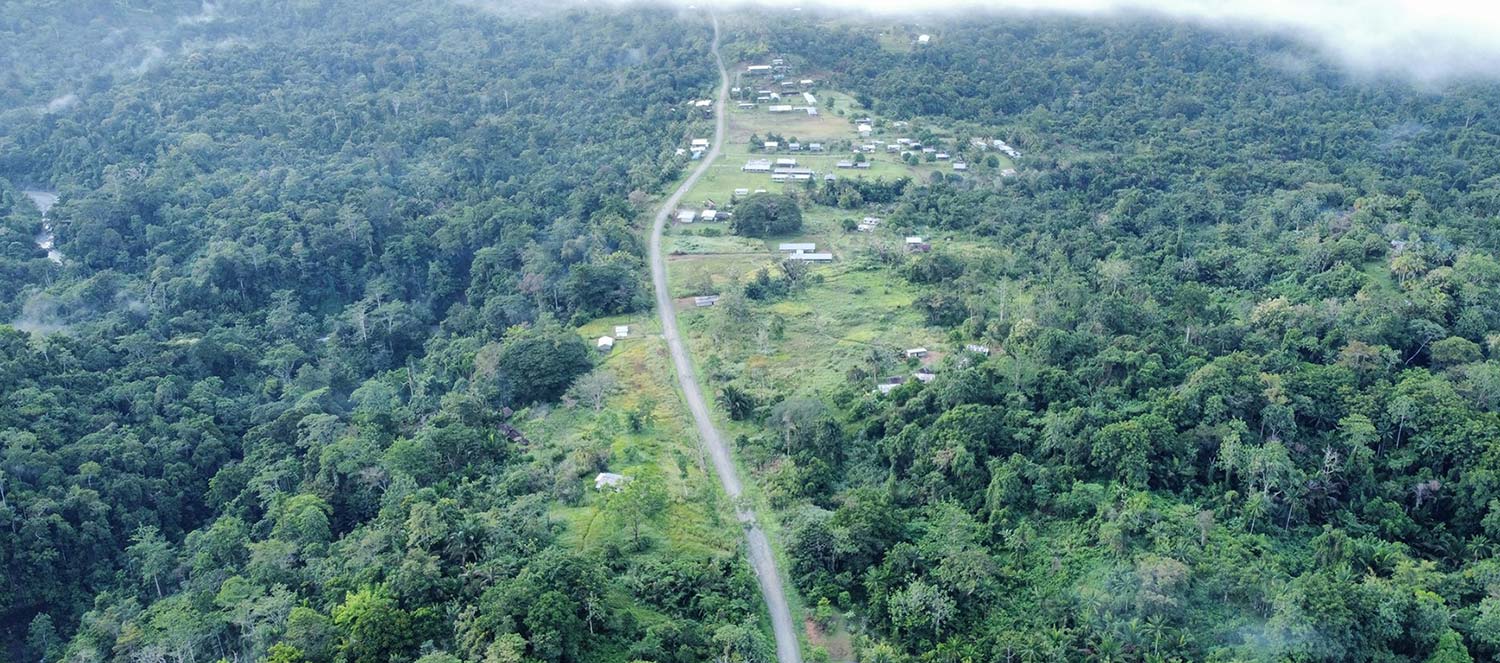
TCA was among the first organisations in PNG to run climate-change and carbon-trading awareness. A carbon-trading booklet written in Tok Pisin gave many communities their first understanding of the concept, paired with hands-on, scientific carbon measurement and a peer-education program across every participating village. TCA works with BirdLife International and regional partners to improve forest governance.
Three simple, transferable projects could offset emissions while improving health. Solar lighting — street lights and household units — replaces firewood and bamboo torches, cutting both emissions and indoor smoke. The Bedding Project would give all 13,000+ people a mattress, sleeping bag and mosquito net to reduce firewood use and malaria. Solar cookers and driers would cut cooking fires and help preserve vanilla and cocoa.
Through forest-governance training and village land-boundary mapping, TCA aims to model good forest governance and be an influential voice across the Oceania region and globally. These projects could feed a future REDD+ or Payment for Environmental Services scheme — they need funding to scale.

None of this runs without TCA. Since 2001, TCA Base-Lumi has grown into an epicentre for conservation and development in Sandaun Province — housing staff, captive tree kangaroos and partners. Keeping it operating, and keeping local people employed, takes ongoing funding.
TCA has operated since 2001, and in 2016 registered as an Australian charity with Deductible Gift Recipient status and an online donation portal. It maintains annual audit reports going back to its founding, policy and procedure documents, a formal membership structure, and is following the pathway toward the ACFID Code of Conduct.
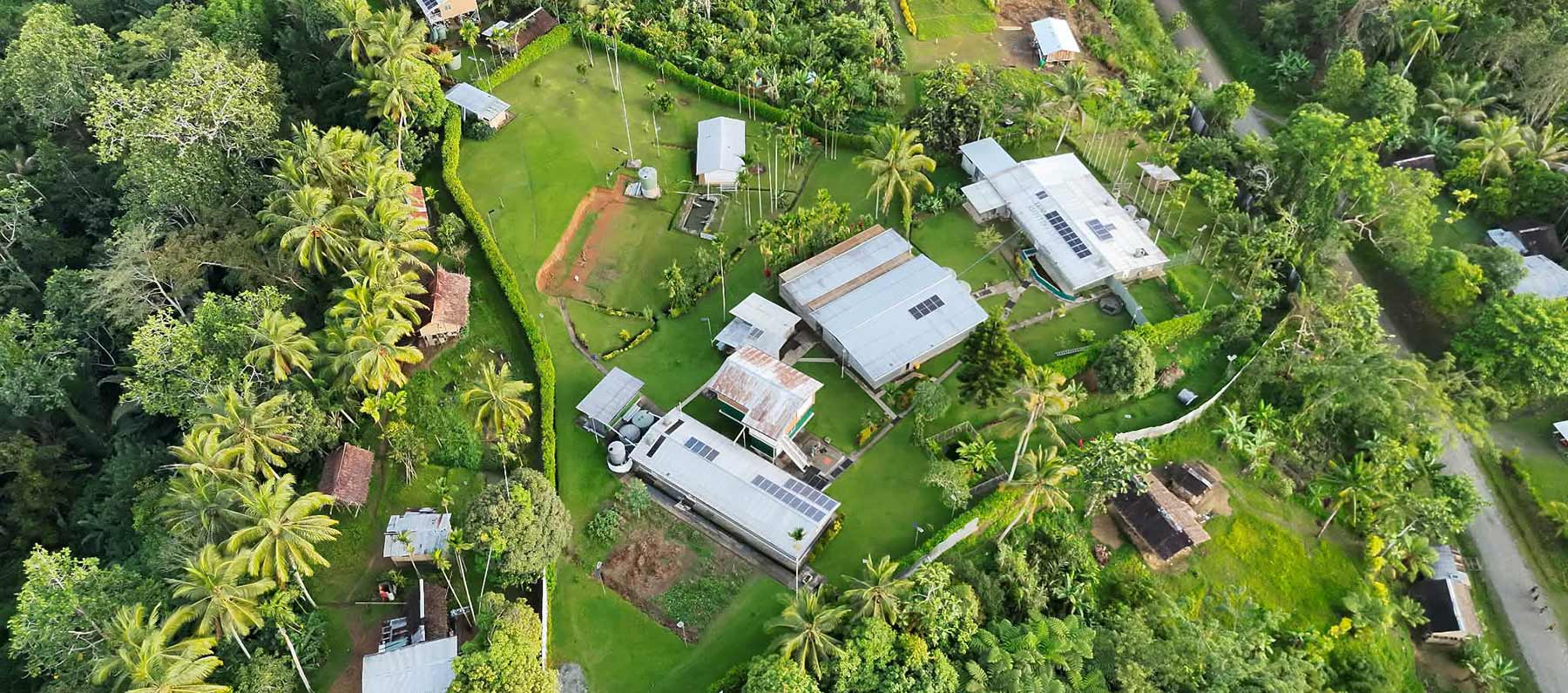
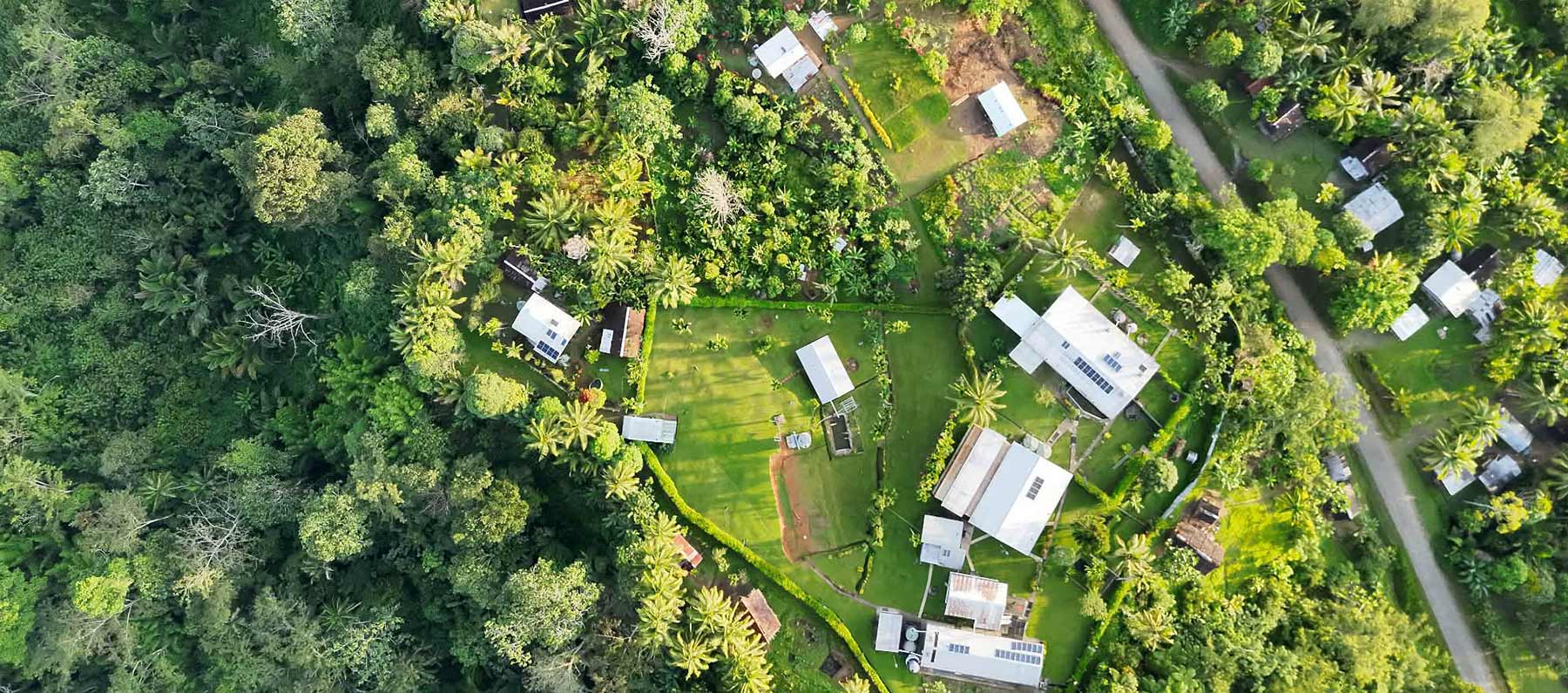
The roughly two-hectare base sits about a kilometre from the Lumi airstrip, occupied since 2002 under a memorandum of understanding with local government and traditional landowners. It has grown from a bush-material house into a fenced compound with a training centre, research station, generator and solar power, computers and projectors, freezers, water tanks, accommodation for up to 100 people plus a 13-person guest house, and animal enclosures housing tree kangaroos, possums, birds and reptiles alongside the fish-breeding facilities.
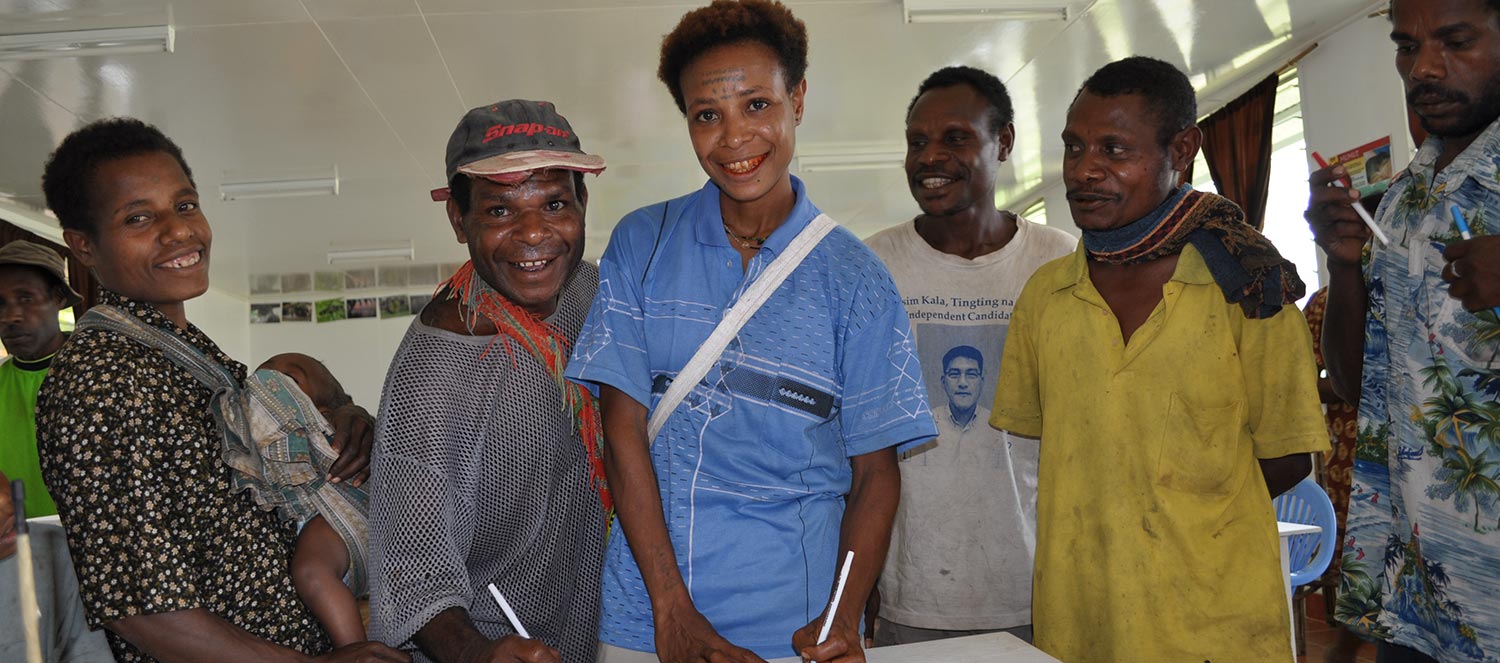
TCA employs 37 project staff and 10 support staff. Three to four meetings a year in Lumi bring two representatives from each of the 50 villages (100 people) together with the 16-member Advisory Committee — often 150+ people in the training centre at once. With WCN and the UNDP-GEF small grants project, 43 staff now have solar power and laptops in their home villages for the first time.
Full-time staff maintain the animals, gardens and security, while ongoing personal and professional development — project management, finance, computing, leadership and grant writing — builds the capacity to keep the organisation and its programs running for the long term.










Every contribution supports TCA’s vision — that the people of PNG value and protect their natural resources, their community, and their culture.